By Jessica Trays
January 31st the first case of coronavirus is confirmed in the UK, by the 5th of March the first death from coronavirus is confirmed in the UK, and just two weeks later on the 14th of March the UK had already exceeded a thousand cases. As this relentless virus swept across the globe deaths piled up and hospitals were stretched to breaking point. Government restrictions were enforced, and life as we know it was forever changed.
As schools, colleges and universities closed, shops, restaurants, cafes and hotels shut, and businesses that could transitioned to home. We were encouraged to stay inside and isolate, main roads quickly emptied, and bustling cities became ghosts towns.
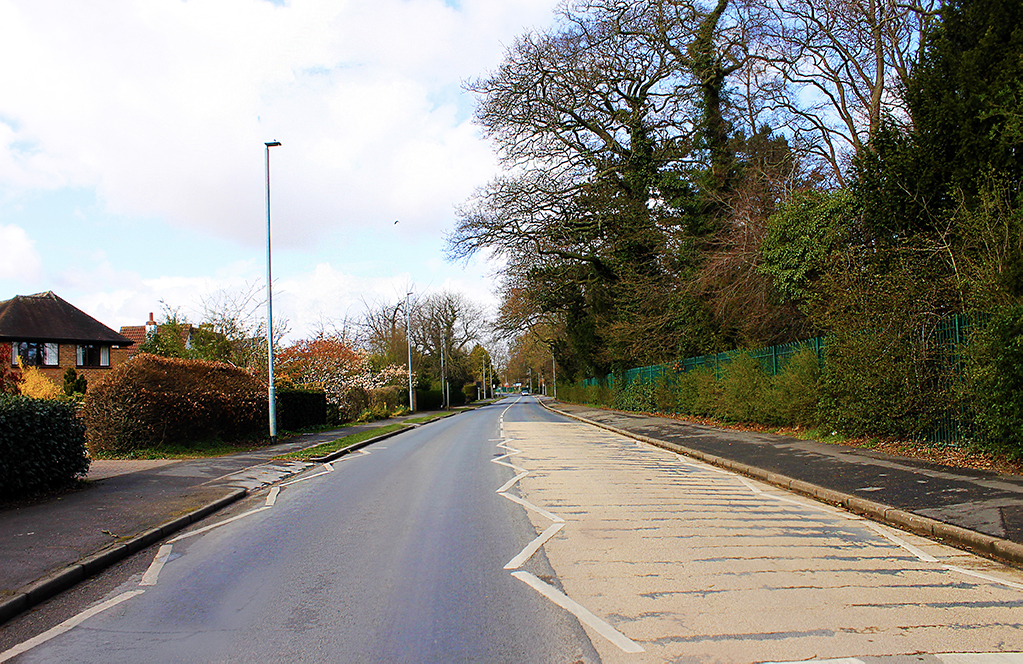
The combination of quarantine and lockdown meant anxiety began to spread, masks were being worn, fines were being issued, flights were called to a halt, the country felt as if it were screeching to a standstill. The situation only appeared to worsen as deaths mounted, economies tanked, and businesses went bust. Social distancing rules combined with panic buyers meant queues outside stores rapidly grew, some were waiting hours for basic essentials.
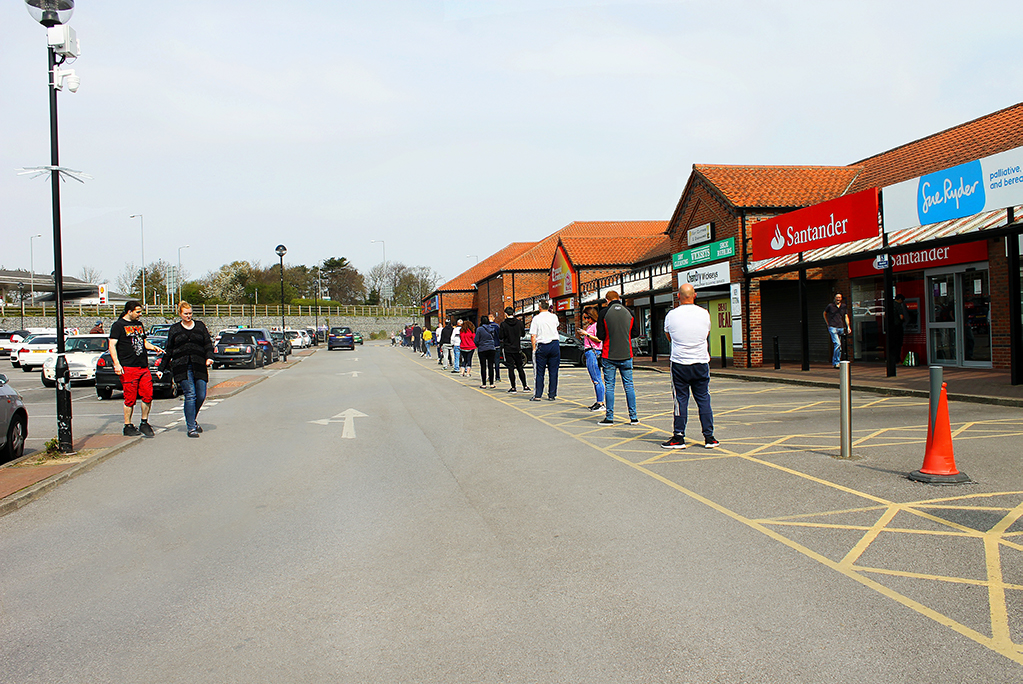
Debbie Cunningham a supervisor at Asda said “The day after everything was announced with lockdown, everyone was coming in with their children like nothing had happened. I went straight to my store manager because I was angry and I said we should only allow one or two people in at a time and he told me we can’t because of single parents and I told him I do understand that but you shouldn’t be letting in two adults and two children all together, he said we are following the government guidelines and that was that. I felt abandoned on the shop floor to sort out the mess.”
Lydia Pickering a team member at Morrisons said “I feel a responsibility to continue working in order to feed the nation, it can be very scary at times. I worry for the safety of everyone as well as myself, especially when social distancing is a struggle in the department, I work in. We have no control over who we are in contact with on a day to day basis and the PPE is limited due to the Government not stating this as essential for supermarket workers.”
Debbie said the panic buying had become “horrendous” and even had one man “take multiple cases of pot noodles.” She continued “I think the customers are good at queuing outside but once they get in, they forget about it. It’s been a very stressful time trying to implement the one-way system and social distancing basically overnight.”
Lydia like Debbie described the issues with stockpiling and restrictions as awful and mentions she dealt with an increase of abuse from customers. Lydia described how despite the abuse from some customers she feels “privileged to be acknowledged as a key worker as this makes me feel my job is valued by members of the public.” She said some members of the community have gone above and beyond during this time they have been “delivering flowers and hampers to staff members to say thank you, which really makes you feel your work is appreciated and doesn’t go unnoticed. These acts of kindness really do make your job all worth it and reminds you of the impact your work has on the rest of the nation.”
Debbie says a lot of the confusion comes from the vague guidelines set by the government, “I think the government guidelines were unclear which caused mass confusion, I certainly felt left in the dust.”
Others key workers I spoke to shared the feeling of being left in the dark. Helen Waterhouse a school receptionist and teaching assistant at a primary school said, “The build-up to closure was quite intense and none of us really knew what was best to do, there was no clear rules to my knowledge… Opening up during these times I feel has been quite decisive because the guidance has been so unclear and people have very different opinions as to what is right. I have felt very torn as I am a parent and a school worker so can see it from both sides.”
Joanne Jacobsen from St Marys Care Home said, “It’s starting to wear everybody down now; our dear residents are starting to become depressed and it’s harder to cheer them up. They long to see family again. ..I see the family through windows with their loved ones and it’s so sad to see. Food can be untouched, and they can just stay in bed. Yesterday was a good day, they all had haircuts and it made them feel so special. But things really need to slowly progress now, we need a light of hope.”
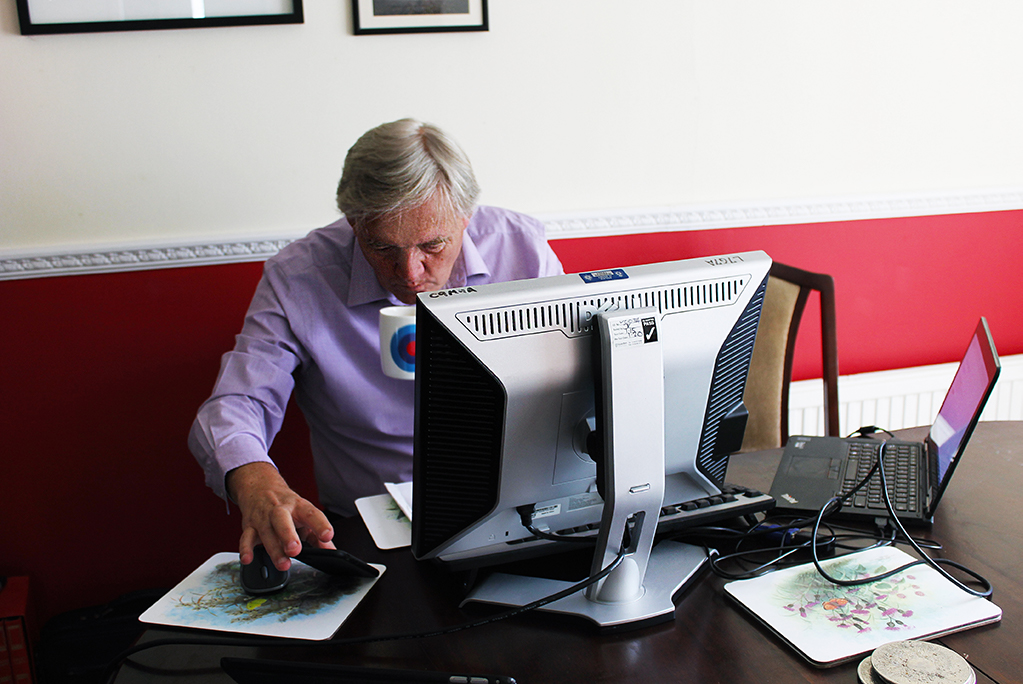
As key workers battled though these ever-confusing times many had to transition to a whole new way of working. As companies moved from office based to home based, desks soon became kitchen tables and your kids were suddenly your colleagues.
Simon Trays a Project Manager said “Initially I found working from home quite challenging as you feel like you have lost your place in the organisation. However, as I have reconnected with my team and embraced the new way of working and trying to adapt to the new technology, I’ve found the experience in the end quite rewarding as I have had more control over my own time and more opportunity to organise my day to my liking.”
Sarah Waterhouse a recent university graduate has landed her first job during lockdown she said, “Whilst many companies are suffering as a result of Covid-19, I was very fortunate that the sector I was looking to go into (data research) was mostly unaffected as it is primarily based online. The company I now work for have increased by a third since the beginning of lockdown and so are experienced in dealing with new starters remotely. Everyone has been lovely and very helpful as they understand how challenging the first job post-university is, not least with a global pandemic going on at the same time. I feel very lucky to be in this situation at the moment.”
The pandemic not only changed working lives, but it changed social lives. The way we interact with our friends and family was turned upside down; from standing 6 feet apart, to speaking through windows and even participating in your first group FaceTime as hard as it was, people found ways to overcome the situation and nurture their human connections.
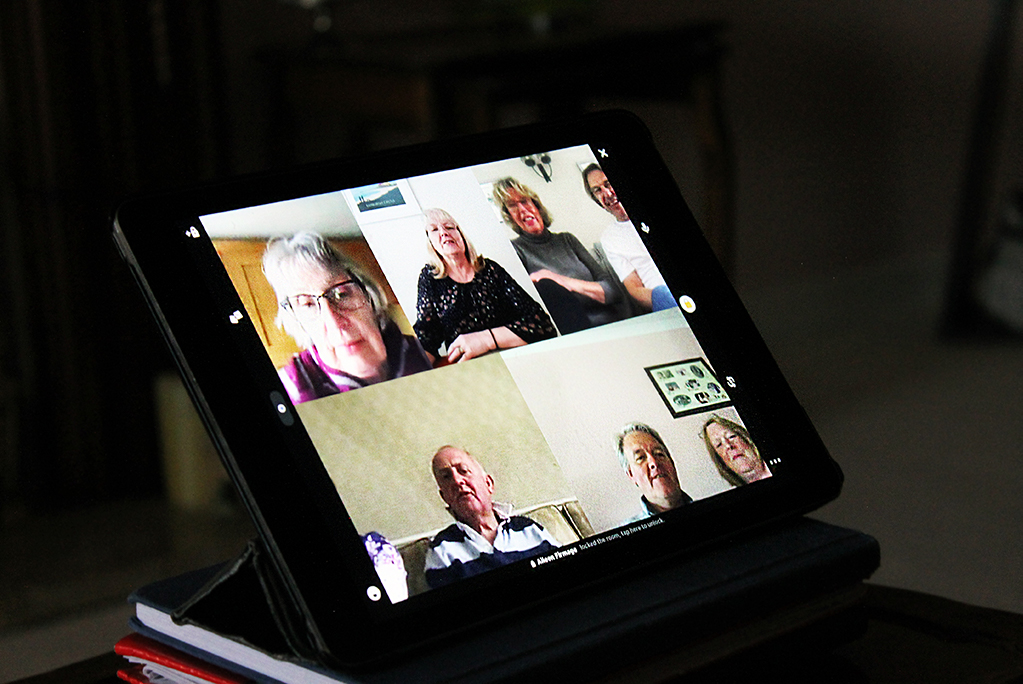
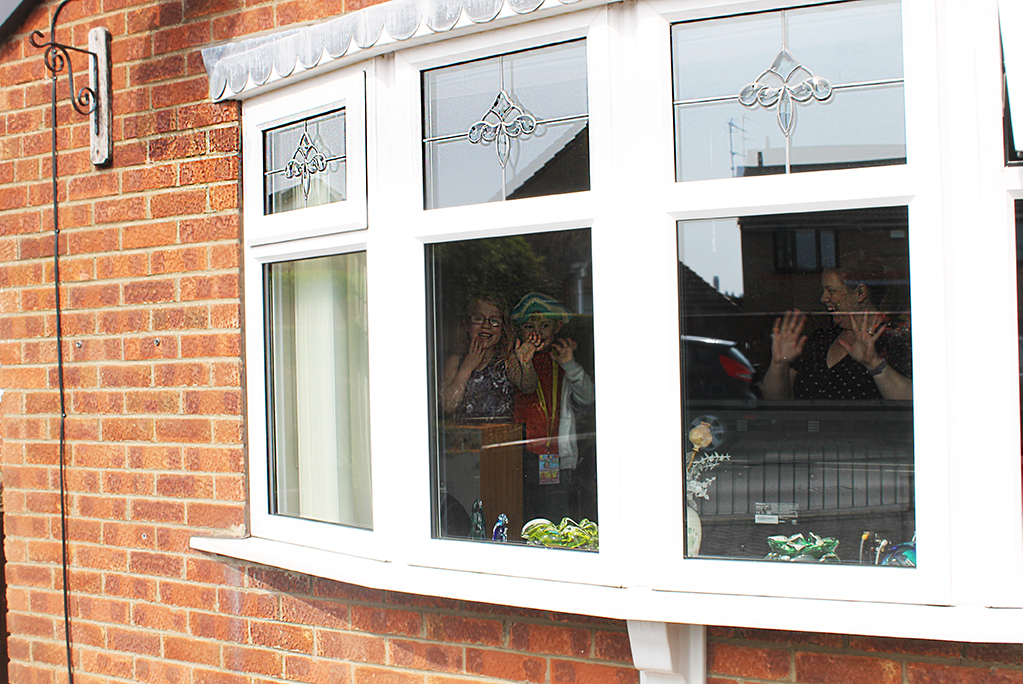
Brenda Mearns who has COPD (Chronic obstructive pulmonary disease) at the beginning of lockdown along with many others in the country received a letter enforcing a mandatory twelve week quarantine without the luxury of daily walks as they were at a greater risk of being effected by the virus. She said not going out and meeting with her family has been the hardest thing to get through, with a small back garden she describes the situation as feeling like “a prisoner in my own home”.
Brenda also voiced her concerns for the easing of lockdown “12 weeks is a long time and I feel I have developed somewhat of a fear of the outside. I don’t know how I will handle being in areas with a lot of people.”
She said technology has helped ease the situation. “Facetiming my grandchildren has been amazing but sometimes when I hang up I feel sad all over again because I know I can’t give them a cuddle.” She says she is most looking forward to hugging her newest grandchild baby Amelia who was born in the middle of lockdown.
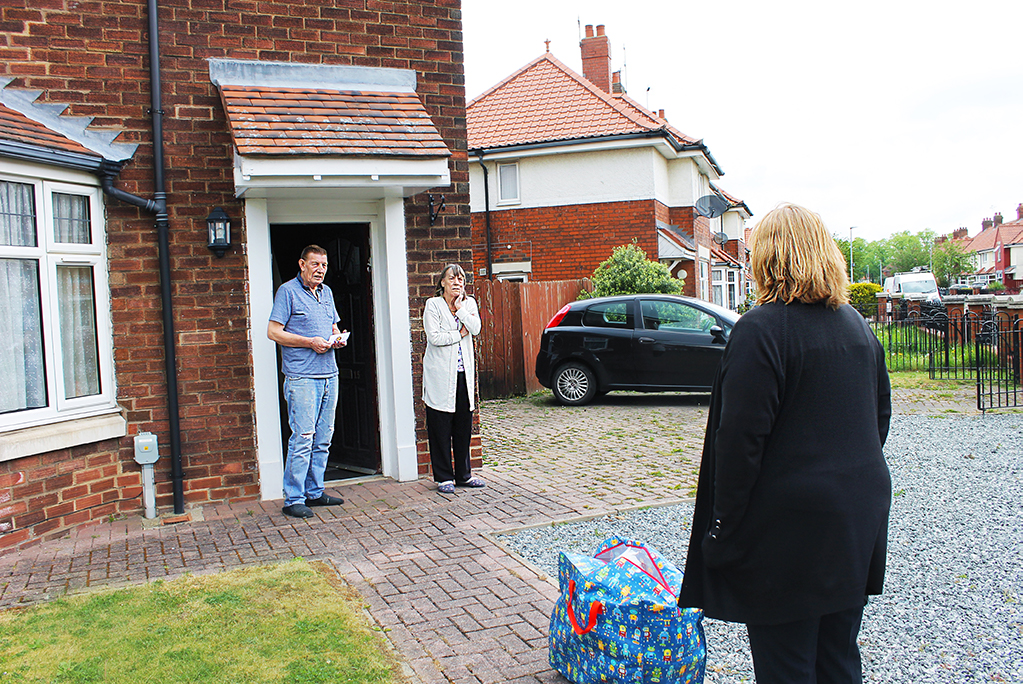
Coronavirus may have isolated us, but some people are feeling more together than ever before. The pandemic, for some, has brought out a sense of community spirit and comradery as locals all offer help to one another.
Nathan Trays a tech developer currently working from home describes how his feelings around lockdown and the response has changed as time has gone on. “When Covid started becoming more prevalent in the UK I felt prepared, I had the ability to work from home, and completely isolate but worried for people like my parents and older relatives, as well as feeling empathetic to those who, knew how much this was going to impact their life, but still had to leave the safety of their home to go to work. As the months have passed, I continued to take the WHO guidelines seriously but became increasingly frustrated with both the wider public, and the Government’s response. I totally understand the want and need for life to return to a state of normality, but I felt most of the anti-lockdown rhetoric displayed by people and authority was coming from a place of selfishness, not the greater good. However, my feelings have changed over the past weeks from a more hopeful perspective as solidarity from the public seemed strong, and the guidance and monetary aid from the government seemed sensible, so things do seem to be getting somewhat better.”
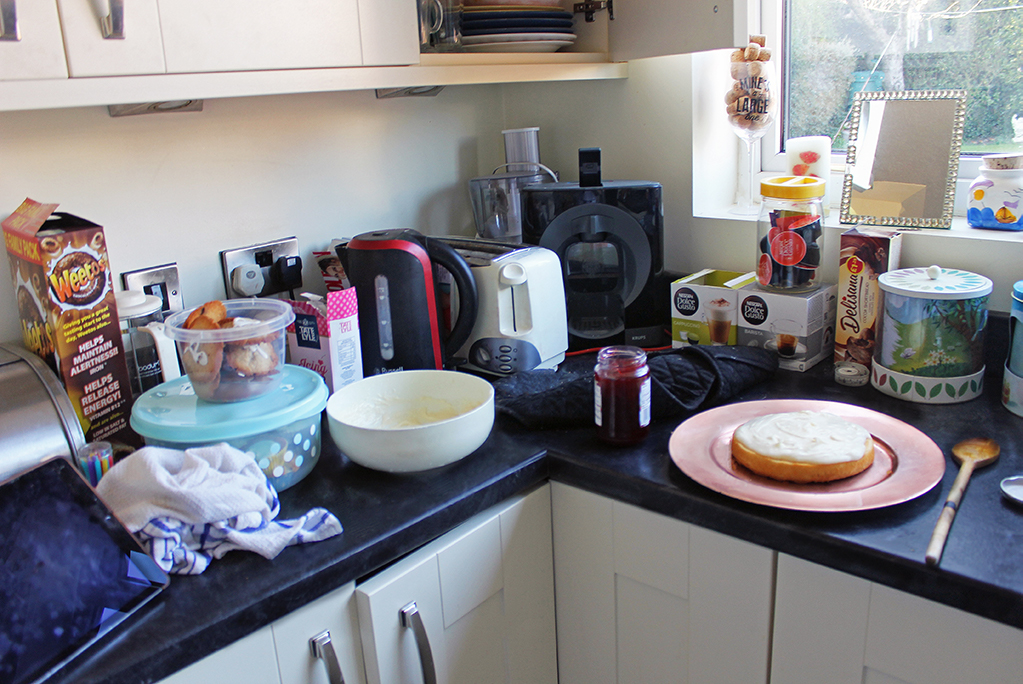
Rosie Heaton a student who also suffers with health issues that listed her on the mandatory twelve-week quarantine talked about the hope she felt and the pockets of light in a dark time, she says, “The good days have been good and the bad have been bad. I take relief in the pace of life slowing down it has allowed me to learn and practice new skills like baking and embroidery. I also get the opportunity to spend more time, being with and laughing with my family, which I will never take for granted.”
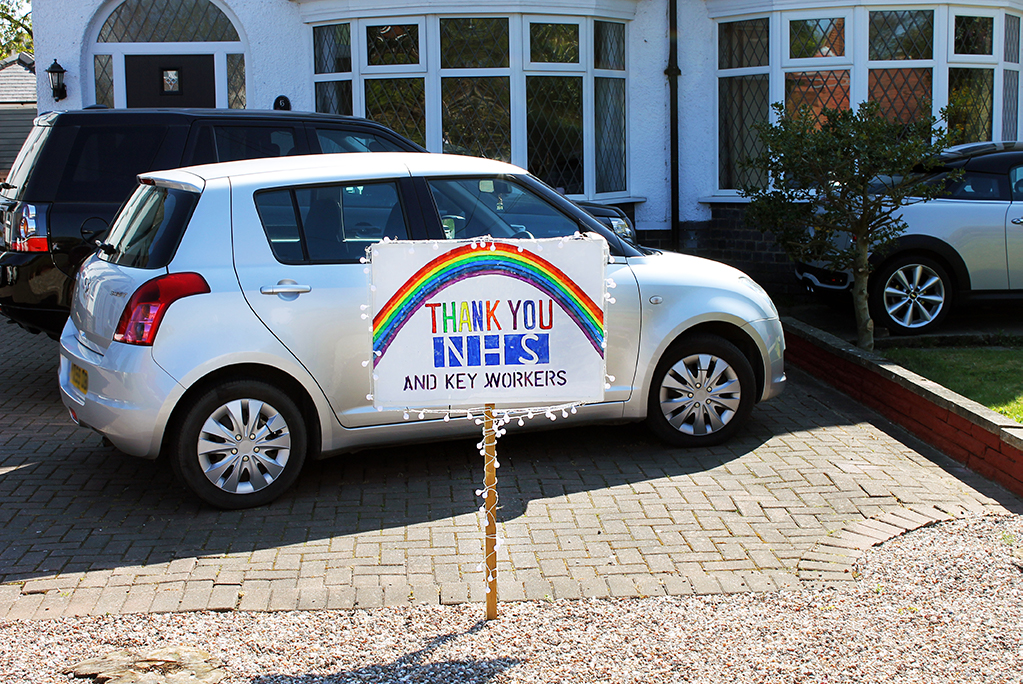
Annie Messingham a university student talks about the joy she feels on her walks everyday, “I feel privileged for feeling happy in such terrible times, but every day when I go on my walks I see rainbow after rainbow and sign after sign of people supporting our key workers and offering help and donations to their communities. The virus although awful, I believe has allowed us to see what is really important and I hope this community spirit doesn’t disappear along with the virus.”
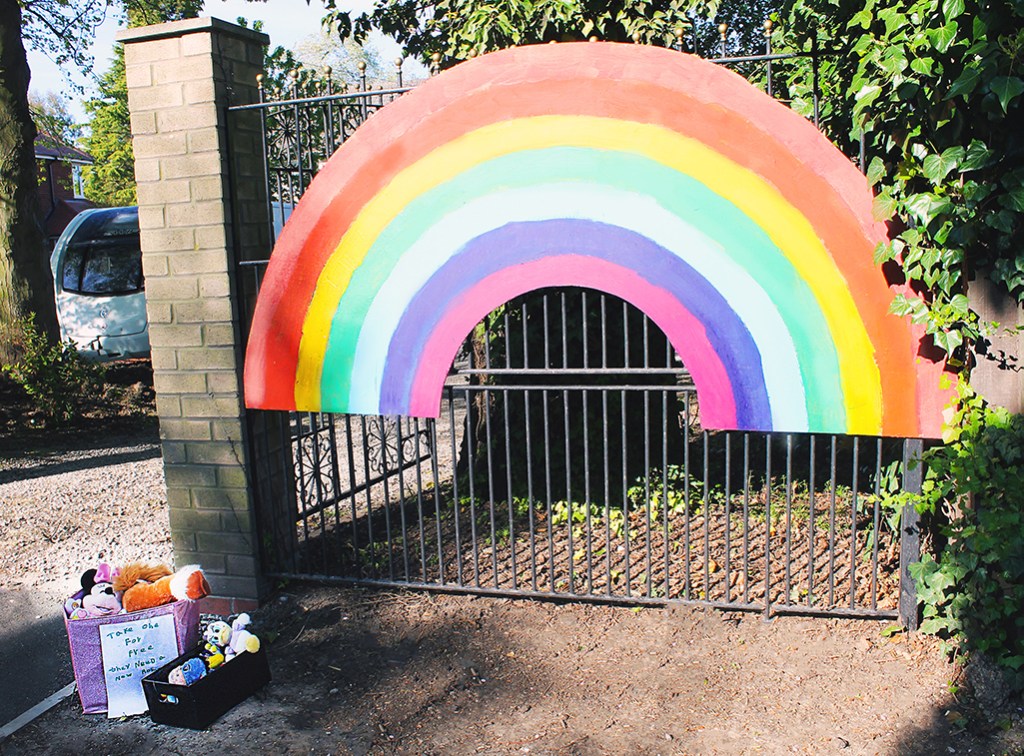
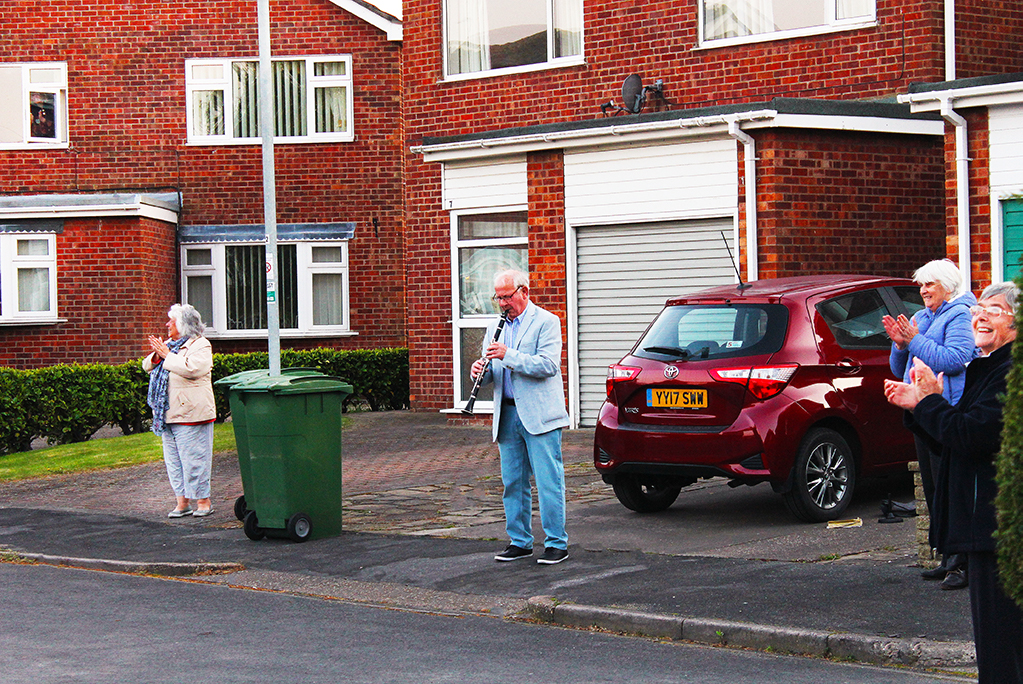
Michelle Hall a mother to two 5-year-old twins says how this has been a “time to reconnect and value love, I have gotten to know neighbours I have never spoken to before. Every week I get to take my children out to clap for the key workers, some may say it’s an empty gesture and I agree that we need to keep fighting and voting for them long after this virus has gone, but to see the street come together for a moment of celebration during such saddening times it gives me hope and I’m glad I will be able to show my children the positive ways we came together through the negativity.”
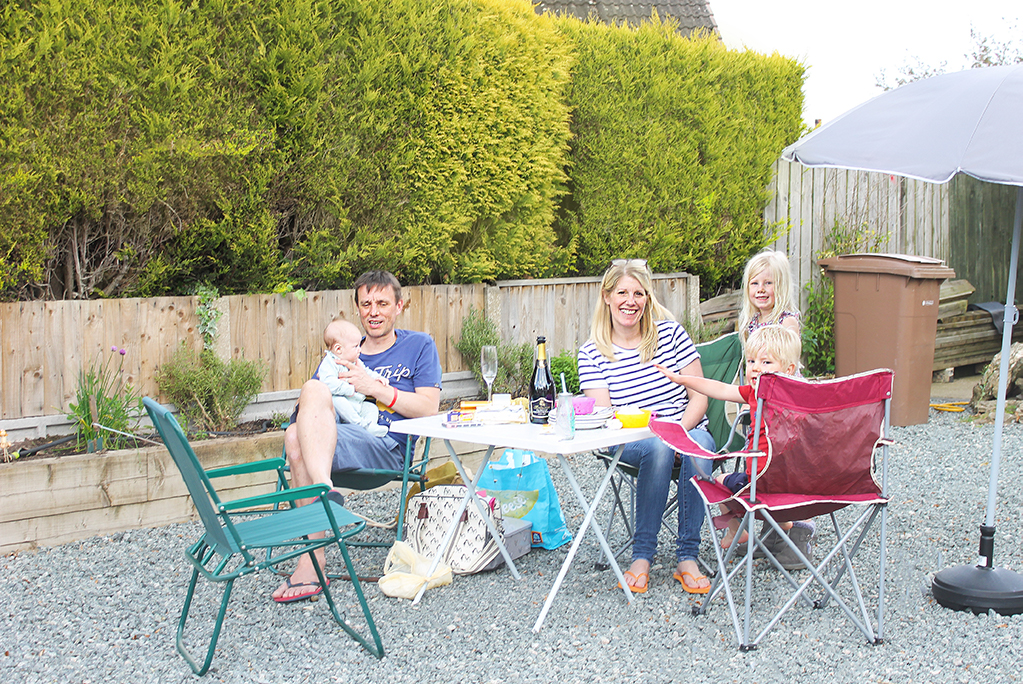
Zoe Hindson a mother who is juggling working from home and educating her children talked to me about how this time although difficult has allowed her to revaluate and improve as a parent. “When lockdown was first announced, I felt very apprehensive about how I would manage mentally and emotionally, juggling work, two young children and being stuck in the same four walls. I was much more anxious about this then the actual concern of catching coronavirus. But since then, I have found it has pushed me to be the parent I once was. I’ve re-evaluated how we manage family life and really enjoyed making lifelong memories. It’s also given me time to self-reflect understanding what is good for me and the importance of self-care.”
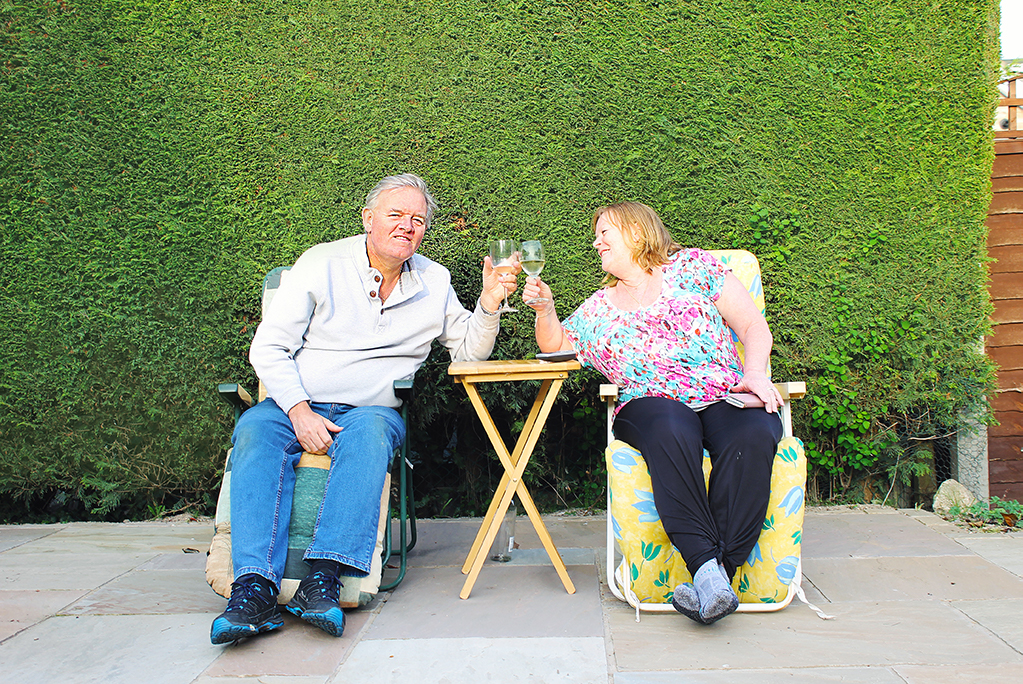
Coronavirus is an unrelenting and vicious disease that rips families apart and leaves devastation in its wake. Despite this there was a feeling amongst everyone that no matter what or who they had lost they felt great sense of hope, community has been a large factor in lifting people’s spirits, displaying solidarity and strength in a time of need. This period of time will be in history books, how people responded, and the way communities pulled together will not be forgotten. Many talked of taking this time to reevaluate and discover what matters most, the connections and relationships we form with our friends, family and even strangers are what has kept people hopeful and sane, any extra time spent with their loved ones has been utterly cherished.
 Jessica Trays