Social Documentary
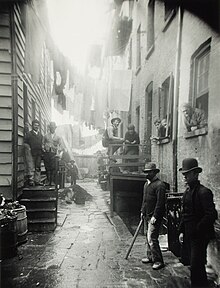
Social documentary photography is a form of documentary photography, it has its roots in the 19th Century. This type of photography is a recording of what the world and its people currently look like, with a focus on the social aspect of people.
Social documentary photography often draws attention to social issues especially of the underprivileged and disadvantaged areas of the social landscape. This photography is used where socio-economic and cultural situation are seen as similar, as well as unjust and the subjects are often portrayed as outcasts to society . The power of the images is to convey the desire for political and social change.
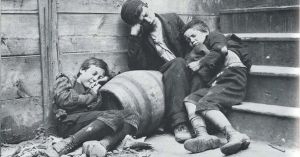
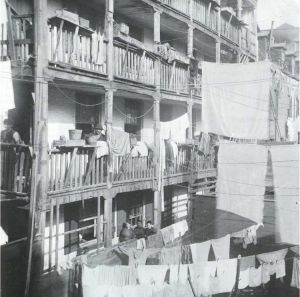
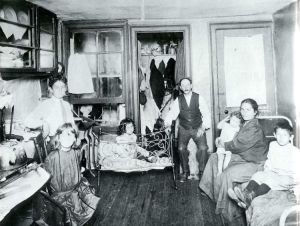
The 19th century lower class living situations were often subject to this photography. In the United States in 1980, Jacob Riis documented the living conditions of the unemployed and homeless in New York, “How the Other Half Lives”. Jacob Riss fled to New York as an immigrant and was forced to take residence in one of these tenements. working multiple jobs until landing a ole as a journalist-in-training at the New York News Association. Once How the Other Half Lives gained notoriety, Riis has many admirers, including Theodore Roosevelt. Riis would show others that through photography they can make a change.

Lewis Hine followed in the footsteps of Riis and in 1908 he became th photographer for the National Child Labour Committee. Over the next decade, Hine documented child labour. Hine’s work for the NCLC was often dangerous.He was frequently threatened with violence by factory police and foremen. At the time, the immorality of child labour was meant to be hidden from the public. To gain entry to the factories, Hine assumed many disguises including a postcard vendor and bible salesman.
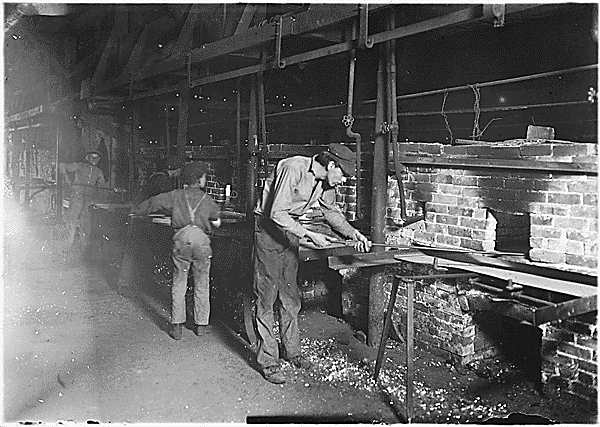
Children working in a bottle factory 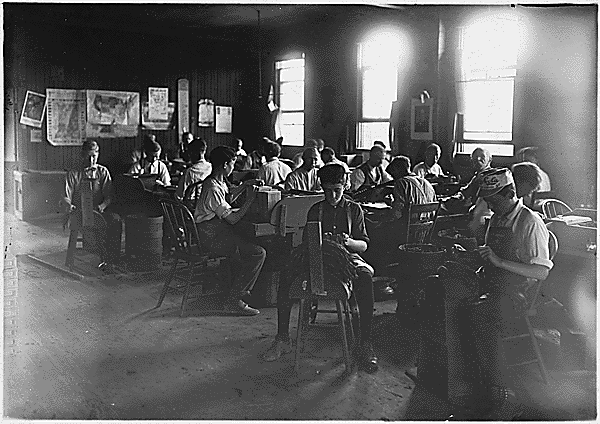
Boys working in a cigar factory
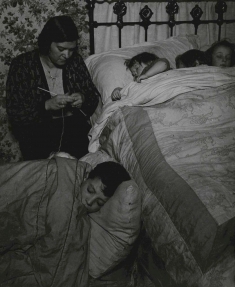
An English pioneer of socially committed photography is Bill Brandt. In 1936 he published the illustrated book “The English at Home”, in which he portrayed the English class system showcasing the differing levels of society.
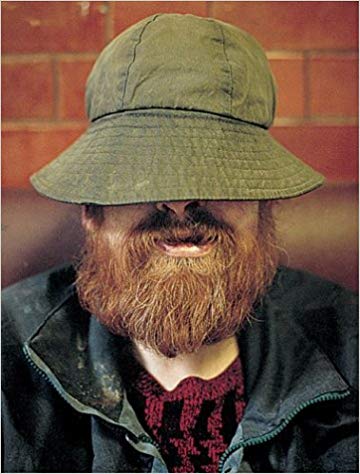
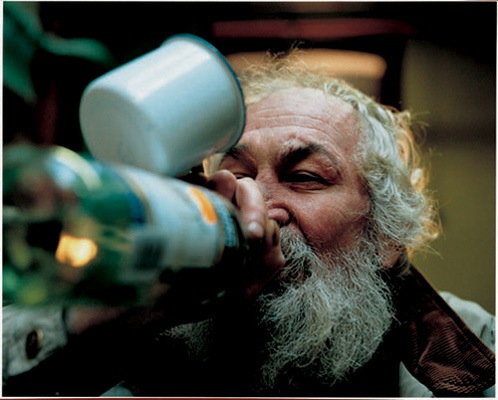
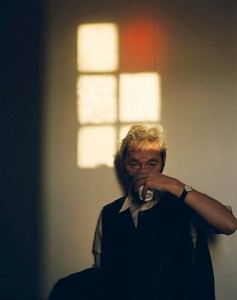
There are many modern social documentary photographers. Deirdre O’Callaghan spent four years photographing the men of Arlington house, a hostel in Camden, London for her ‘Hide That Can’ series. Many of the residents are Irish and came over to London for work in the 50’s and 60’s.
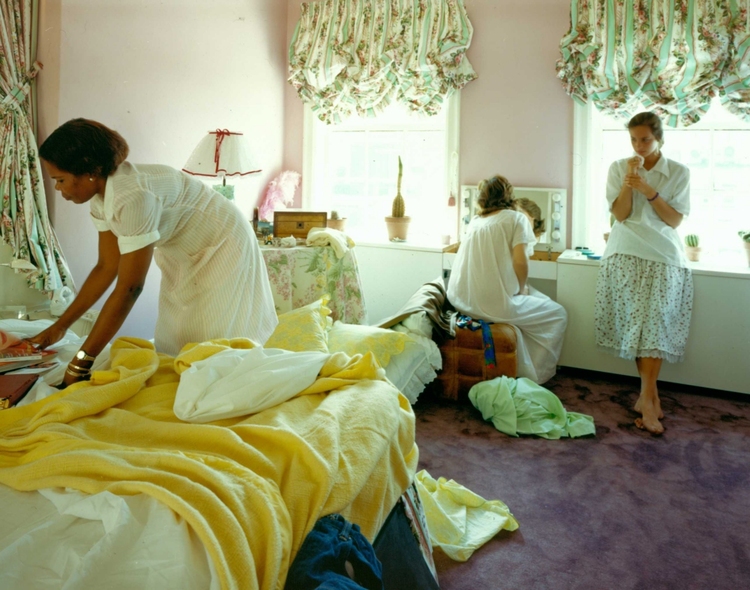
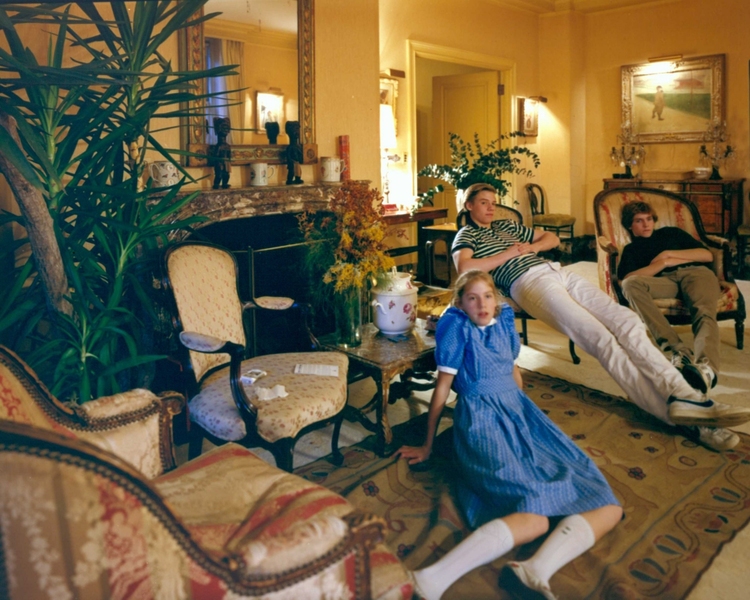
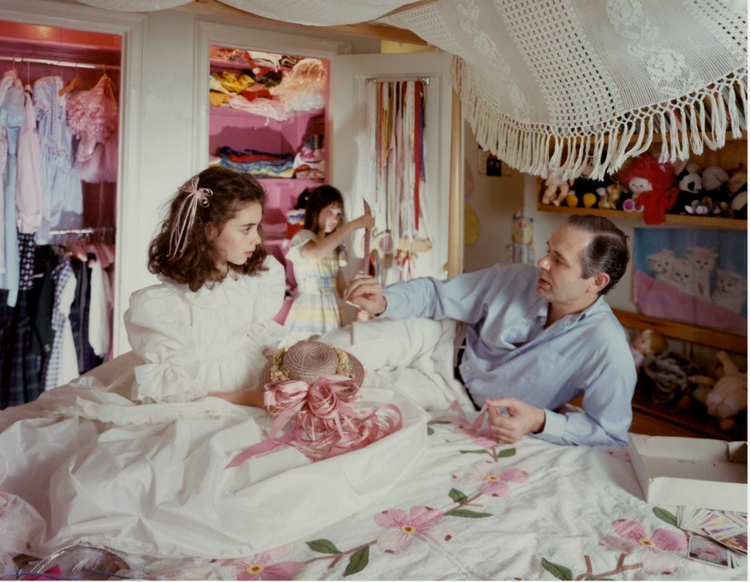
Tina Barney’s photography focuses on the relationship between her family and friends and is explored amongst the background of her affluent life in North America. Although, the wealthy became aesthetic in her work, her “fascination is with the repetition of traditions and rituals. The idea that families no matter where they come from, kind of do the same thing.”
Adam Broomberg and Oliver Chanarin are the creative editors of Benetton ’s Colors magazine. There recent work has focused on addressing the issues of mental health amongst the penal system.
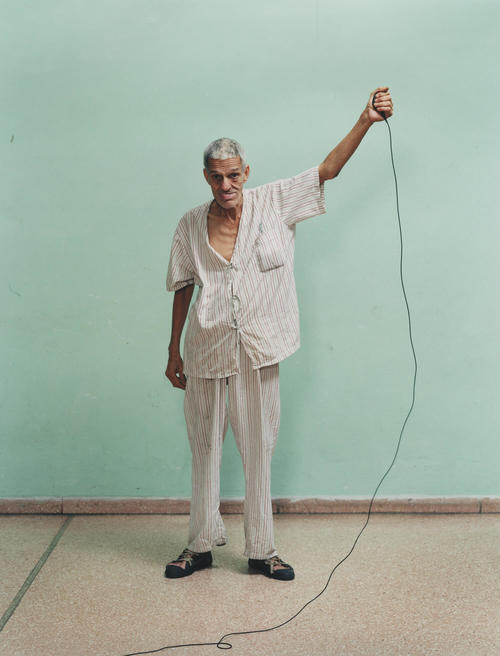
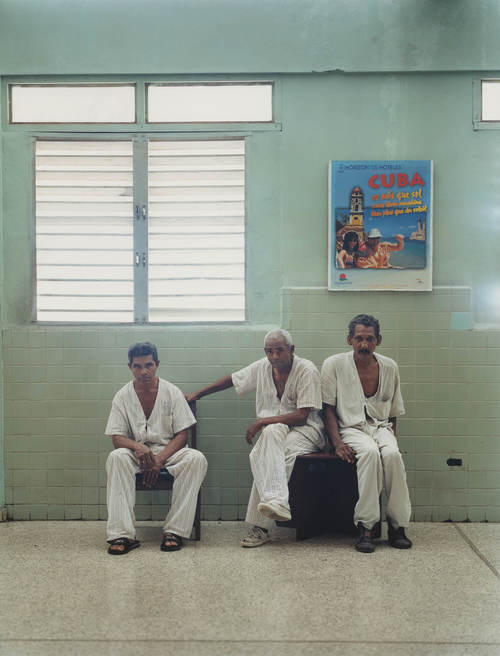
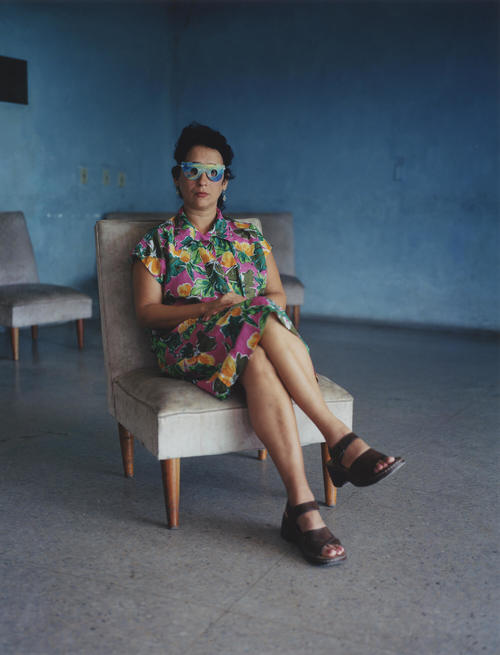
 Jessica Trays